SAVIANO SU LA7 CON “LA GIUSTA DISTANZA”: L’ITALIA GUARDA I SUOI CRIMINI PIÙ OSCURI

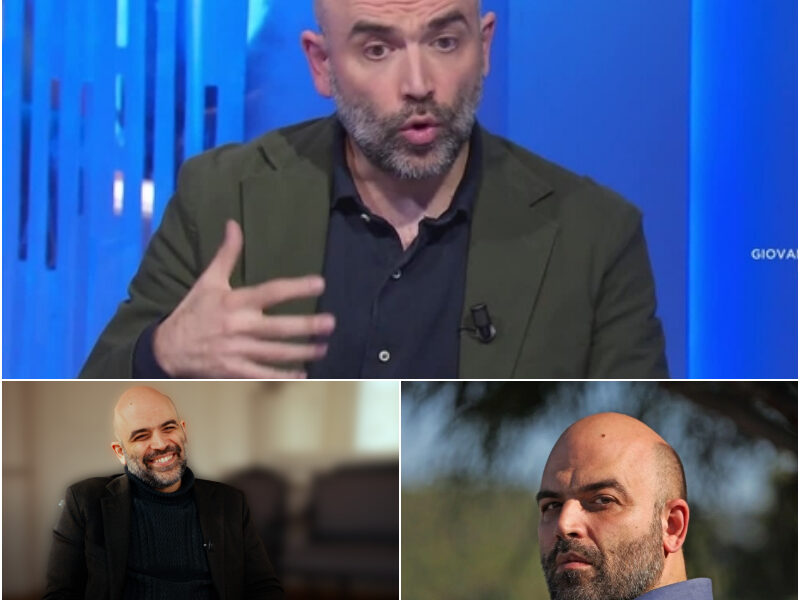
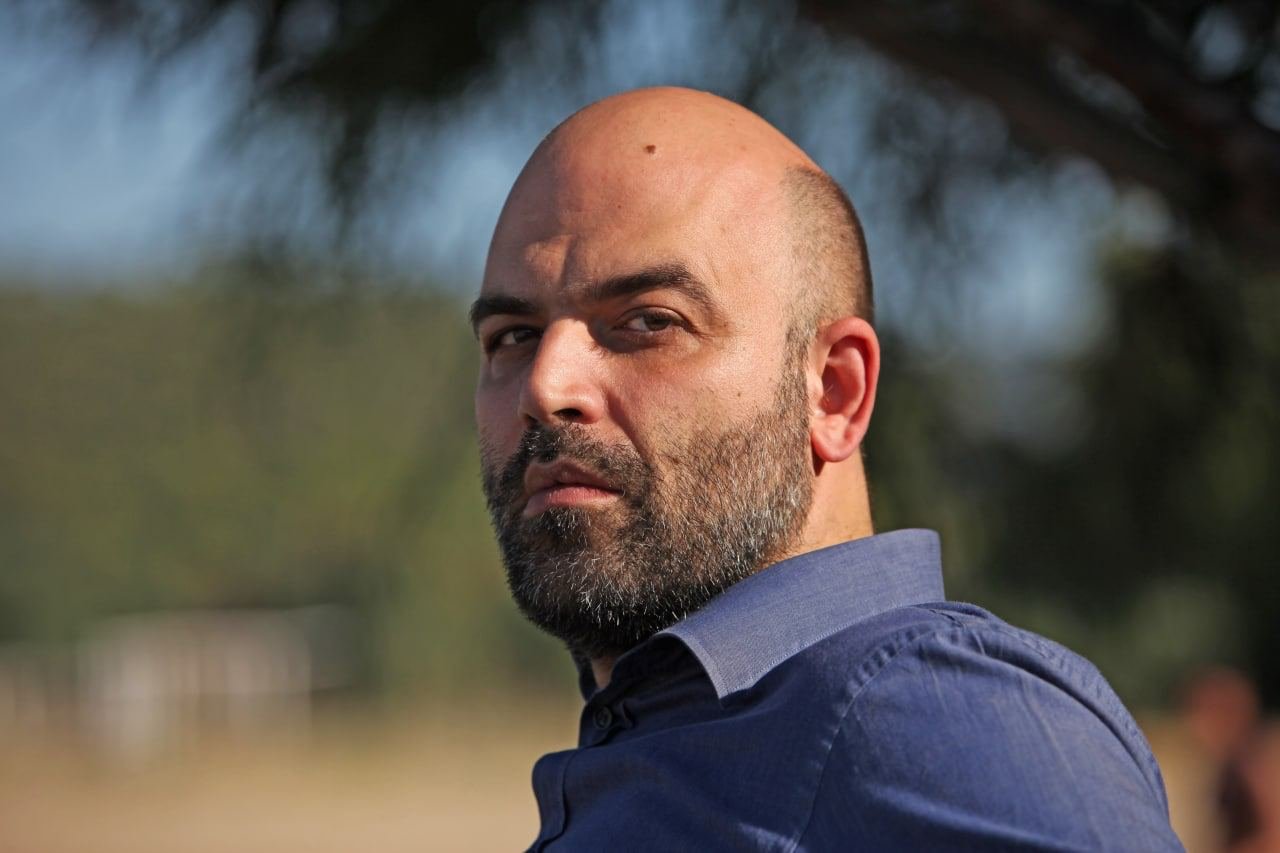
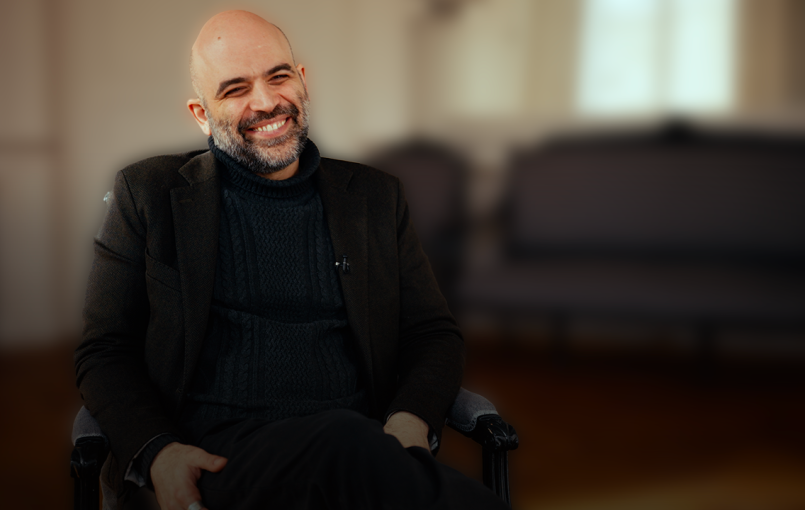
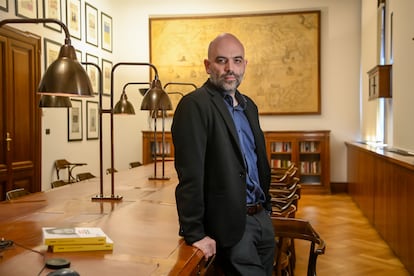
Roberto Saviano è tornato in prima serata su La7 con La Giusta Distanza, una serie ideata e narrata dallo scrittore, costruita attorno ad alcuni dei crimini e dei misteri più emblematici della storia italiana. Il programma è partito l’11 marzo 2026 e, secondo la presentazione di La7, si sviluppa in sei puntate, fondendo documentario e racconto umano per affrontare temi come legalità, potere, memoria, ribellione e verità.
La prima tappa è una delle ferite più profonde della Repubblica: la strage di Capaci. Il 23 maggio 1992, l’attentato mafioso uccise Giovanni Falcone, Francesca Morvillo e gli uomini della scorta Vito Schifani, Rocco Dicillo e Antonio Montinaro. Da lì, Saviano apre un percorso che non vuole limitarsi alla cronaca dei fatti, ma prova a interrogare il rapporto tra vittime, carnefici, memoria collettiva e responsabilità del Paese. ANSA ha descritto la serie come un viaggio che parte dalla Sicilia e dalla strage di Capaci per esplorare crimini e misteri centrali nella storia italiana.
Il titolo, La Giusta Distanza, contiene già il cuore dell’operazione. Raccontare il male richiede vicinanza, perché senza empatia la memoria diventa fredda. Ma richiede anche distanza, perché senza lucidità il racconto rischia di trasformarsi in emozione pura, in spettacolo, in consumo televisivo del dolore.
Ed è proprio qui che il programma apre una domanda scomoda.
Si può raccontare la violenza senza renderla spettacolare? Si può parlare di mafia, terrorismo, potere e sangue senza cadere nella retorica? Si può restituire dignità alle vittime senza concedere troppo spazio al fascino oscuro dei criminali?
Saviano prova a rispondere attraverso una formula narrativa che mescola documentario, ricostruzione e racconto personale. Non si limita a elencare date, nomi e atti giudiziari. Cerca invece di mostrare come destini apparentemente lontani possano toccarsi, fino a diventare parte della stessa tragedia. La7 presenta infatti la serie come un racconto di vite e destini che si intrecciano dentro la cronaca italiana più dolorosa.
Nella prima puntata, secondo le anticipazioni riportate dalla stampa, il racconto parte dai destini opposti di Francesca Morvillo e Giovanni Brusca: da una parte una magistrata, moglie di Falcone, uccisa nella strage; dall’altra l’uomo legato all’esecuzione dell’attentato. Una scelta narrativa forte, perché costringe lo spettatore a guardare la stessa vicenda da due estremi morali inconciliabili.
Non è solo televisione. È memoria pubblica.
Ogni volta che si torna su Capaci, l’Italia è costretta a fare i conti con una domanda mai davvero archiviata: quanto abbiamo capito di quella stagione? Abbiamo trasformato Falcone e Borsellino in simboli rassicuranti, oppure abbiamo davvero ascoltato ciò che la loro morte continua a dire sul rapporto tra Stato, mafia, potere e omertà?
Il rischio della celebrazione è sempre lo stesso: ricordare senza cambiare. Commemorare senza disturbare. Ripetere i nomi delle vittime, ma evitare le domande più difficili.
Saviano, nel suo stile, prova invece a riportare quelle domande al centro. Non racconta il crimine come un episodio isolato, ma come il risultato di relazioni, scelte, silenzi e convenienze. La criminalità, nel suo racconto, non è mai soltanto il volto del killer. È un sistema. È una rete. È una cultura del potere che può attraversare territori, istituzioni, economie e coscienze.

Per questo La Giusta Distanza può dividere il pubblico.
C’è chi vede nel ritorno di Saviano su La7 un’operazione necessaria: riportare in prima serata temi difficili, sottrarli alla dimenticanza e costringere gli spettatori a guardare ciò che spesso preferiscono evitare. In un tempo televisivo dominato da intrattenimento rapido, talk urlati e polemiche quotidiane, dedicare sei puntate alla memoria criminale del Paese è una scelta forte.
Ma c’è anche chi si pone un dubbio legittimo: quando il dolore entra nel linguaggio della televisione, può davvero restare intatto? Oppure ogni racconto, anche il più serio, rischia di trasformare il trauma in prodotto?
È una domanda che riguarda Saviano, ma non solo lui. Riguarda tutto il giornalismo narrativo. Riguarda le docuserie sui crimini. Riguarda il modo in cui il pubblico contemporaneo consuma storie vere di sangue, paura e potere.
Negli ultimi anni, il racconto del crimine è diventato uno dei linguaggi più forti della televisione e delle piattaforme. Casi giudiziari, omicidi, misteri irrisolti, mafie e serial killer sono spesso raccontati con ritmi da fiction. Questo può aiutare a coinvolgere il pubblico, ma può anche produrre un effetto pericoloso: trasformare la realtà in intrattenimento.
La sfida di La Giusta Distanza sta proprio nel titolo: trovare un equilibrio. Non avvicinarsi troppo al male fino a renderlo seducente. Non allontanarsi troppo dalle vittime fino a renderle figure astratte. Restare nel punto esatto in cui il racconto informa, scuote, ma non sfrutta.
Saviano conosce bene questo confine. Da Gomorra in poi, la sua opera è sempre stata accompagnata da una doppia reazione: riconoscimento e contestazione. Per molti è una voce indispensabile contro la criminalità organizzata. Per altri, la sua presenza mediatica è diventata troppo centrale, quasi più discussa dei temi che porta in scena.
Anche La Giusta Distanza rischia di riaprire questo contrasto. Alcuni guarderanno il programma per i fatti raccontati. Altri lo giudicheranno attraverso il nome di Saviano. È il destino delle figure pubbliche divisive: ogni loro parola viene letta non solo per ciò che dice, ma per chi la pronuncia.
Eppure, al di là delle opinioni sullo scrittore, resta il tema centrale: l’Italia ha ancora bisogno di raccontare i suoi crimini più oscuri?
La risposta sembra essere sì. Perché molti dei misteri italiani non sono soltanto pagine di storia. Sono ferite ancora attive. Parlano del presente. Parlano della fiducia nelle istituzioni, del ruolo della memoria, della fragilità della verità quando incontra interessi troppo grandi.
Raccontare Capaci, quindi, non significa solo tornare al 1992. Significa chiedersi cosa resta oggi di quella lezione. Significa domandarsi se la mafia sia stata davvero compresa come potere economico e culturale, oppure se venga ricordata solo nelle ricorrenze ufficiali.
La Giusta Distanza prova a inserirsi in questo spazio: tra memoria e attualità, tra cronaca e coscienza civile, tra racconto televisivo e interrogativo morale.
Il programma non chiude le ferite. Le riapre. E forse è proprio questo il suo scopo.
Perché certi crimini non appartengono soltanto al passato. Continuano a chiedere attenzione, studio, responsabilità. Continuano a interrogare il modo in cui un Paese sceglie di ricordare, dimenticare o semplificare.
La vera domanda, allora, non è solo se Saviano riuscirà a raccontare il male con la “giusta distanza”.
La domanda più scomoda è un’altra: l’Italia è ancora disposta a guardare davvero dentro i suoi abissi, o preferisce trasformarli in una storia da seguire in prima serata e poi dimenticare il giorno dopo?