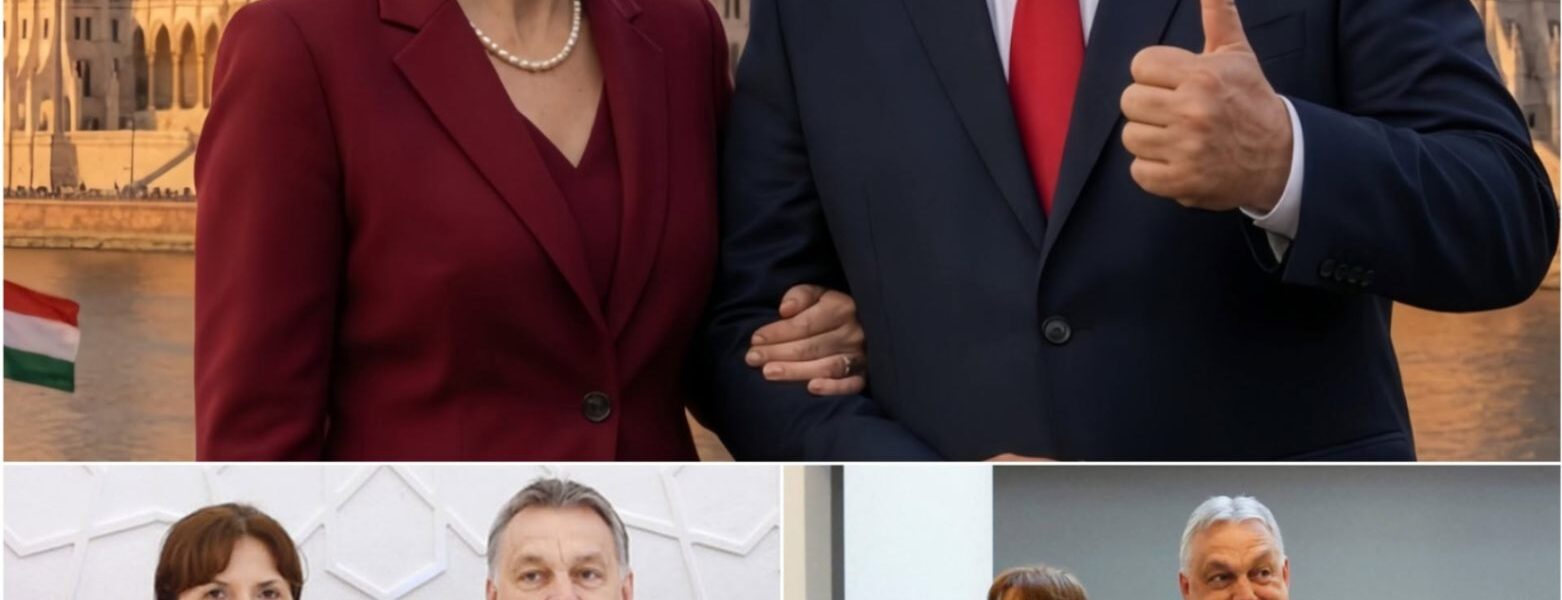
“FAREWELL TO VIKTOR ORBÁN” – The End of an Era That Left an Indelible Mark on Hungary’s History

By: Political Analysis Desk
BUDAPEST — Hungary stands today before a moment that is as profound as it is deeply emotional. After more than two decades, an era appears to be drawing to a close, and the nation’s gaze is fixed upon Viktor Orbán—the man who dedicated a significant portion of his life to the leadership of the country. To many, his name represents far more than just politics; it signifies an entire epoch that has defined Hungary’s modern history and shaped its national identity.
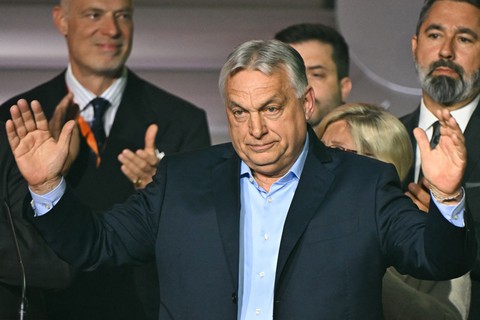
Twenty-One Years: A Defining Period
Twenty-one years is a lifetime in the trajectory of a nation. During this time, generations have come of age, cities have been transformed, and the country has navigated numerous historical crossroads. Throughout these two decades of change, the figure of Viktor Orbán has remained a constant at the epicenter of Hungarian public life.
His supporters argue that under his leadership, Hungary succeeded in preserving its unique voice and sovereignty in a rapidly changing world, all while placing a powerful emphasis on the importance of national identity. To his followers, he is viewed as the leader who stood unyieldingly for Hungary’s interests, even when his decisions sparked intense controversy on the international stage.
A Legacy of Impact
Orbán’s political career has often divided public opinion, yet even among his fiercest opponents, there is a broad consensus on one point: his name is irrevocably intertwined with the history of 21st-century Hungary. Few leaders have exerted such a gravitational pull on the political and social direction of the nation. Whether through his approach to governance, his rhetorical style, or his vision for the country’s place in Europe, he has been a force that could not be ignored.
The current mood of “farewell” is not merely about political transition; it carries the heavy emotional weight of a chapter closing. For many citizens, this moment is not about political parties or past debates, but rather a reflection on the passage of time itself. It is the realization that a leader who defined the rhythm, the discourse, and the political atmosphere of Hungarian public life for decades is moving into the background. For many, this transition feels more personal than purely historical.
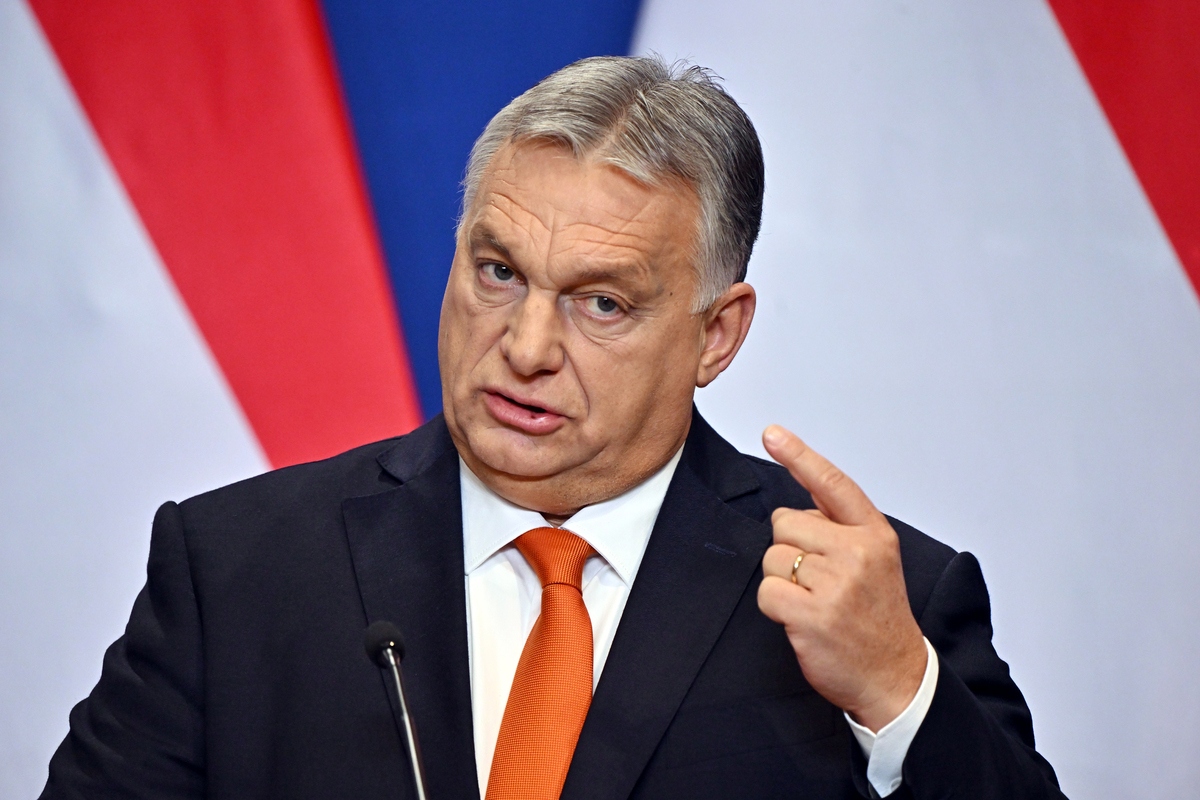
Reflections Across the Nation
Across different regions of the country, citizens are reflecting on their memories of Orbán’s long political career. Some recall the soaring oratory of his major speeches; others reflect on the crisis periods where they felt the country was tested; and many reminisce about the moments they felt Hungary stood stronger and more confident on the world stage.
Whether viewed as a champion or a critic, few can deny that his presence has been a defining component of the Hungarian reality of the last two decades. He transformed the political landscape from the ground up, creating a movement and a governing style that became synonymous with his name.
The Weight of History
As the nation prepares for the next phase, the exit of such a dominant figure inevitably raises questions about the future. The institutional and social structures shaped under his tenure will remain as the foundation for the next generation of leaders. The debate regarding his legacy—the successes he achieved and the challenges he left behind—will likely continue for many years to come.
Historians will eventually weigh the complexities of these twenty-one years. They will analyze the impact of his policies on the economy, the media, and the judicial system, and they will study how a country positioned itself in the heart of Europe during this specific interval of history. However, for the people living through these days in May 2026, the discussion is more immediate. It is a moment of collective pause, acknowledging that the political climate that felt permanent for so long is now shifting.
A New Chapter Begins
The end of an era is always a time of uncertainty and opportunity. As Viktor Orbán moves toward the next stage of his life, Hungary faces the challenge of reconciling the polarized views of the past with the demands of the future. The legacy he leaves behind is not just one of policy, but one of profound change in the way Hungarians view their state, their region, and their identity within the global community.
For now, the country looks on, acknowledging that a chapter that started in a different century and traversed the immense challenges of the modern era is finally concluding. The mark left on the nation is indelible, and the landscape of Hungarian public life will undoubtedly bear the imprint of this long, defining era long after the dust has settled. Whether this leads to a period of continuity or a fundamental transformation remains the central question of the coming months, as Hungary steps out of the shadow of a twenty-one-year tenure and into the unknown of a new political era.