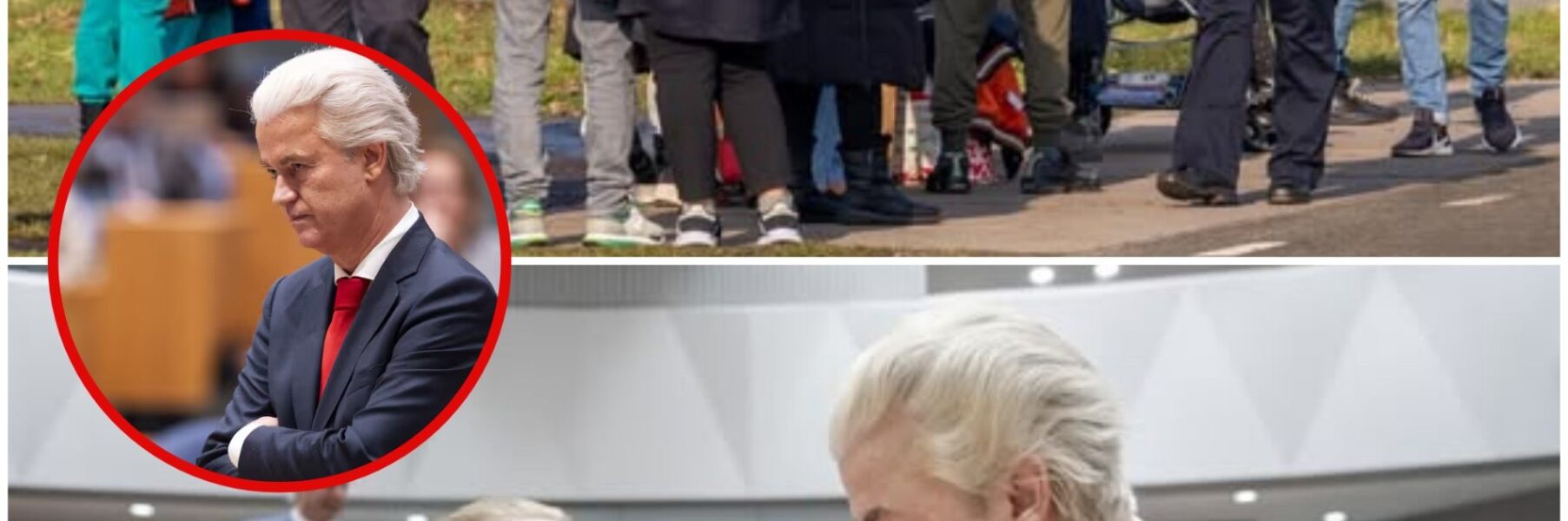

‘Strictest Asylum Policy Ever’ Teeters in Senate Due to PVV Reversal
THE HAGUE – The Schoof cabinet’s promise of the “strictest asylum policy ever” is facing a critical moment of instability. A key pillar of the new legislative package is at risk of collapsing in the Senate (Eerste Kamer) following a sudden strategic reversal by the PVV (Party for Freedom). The turmoil centers on a controversial measure that would criminalize providing aid to undocumented immigrants, a move that has alienated essential allies and emboldened political opponents.
The legislative friction stems from the Asylum Emergency Measures Act, one of two primary laws designed to overhaul the Dutch immigration system. At the insistence of the PVV, a provision was added last year in the House of Representatives (Tweede Kamer) to criminalize illegal residency. However, the scope of this provision—which included penalizing those offering basic humanitarian aid, such as food or shelter—sparked immediate backlash from religious and centrist parties.

The Humanitarian Conflict
The SGP (Reformed Political Party) and the CDA (Christian Democratic Appeal), whose support is vital for the government to pass legislation in the Senate, found the criminalization of humanitarian aid “unacceptable.” SGP Senator Peter Schalk voiced strong opposition, arguing that the law should not punish citizens for acts of basic human compassion.
To secure their support, the cabinet introduced a “Reparation Law.” This amendment was specifically designed to narrow the scope of the original bill, ensuring that while illegal stay remains penalized, providing humanitarian assistance would not be a crime.
While a majority in the House of Representatives, including the PVV’s lower-house faction, supported this compromise late last year, the consensus has now shattered as the bill reached the Senate.
A Sudden PVV Turnaround
The stability of the coalition’s agenda was thrown into doubt on Wednesday when PVV Senator Alexander van Hattem announced on X (formerly Twitter) that his faction in the Senate intends to vote against the Reparation Law.
Van Hattem argued that the asylum laws are being “stripped down” too much, rendering them ineffective. This sentiment was echoed by party leader Geert Wilders, who expressed his dissatisfaction with the ongoing treatment of the asylum package. This move is seen as a high-stakes gamble by the PVV to pull the policy back toward its original, more extreme form.
However, the Minister for Asylum and Migration, Marjolein Faber, and other cabinet members face a rigid reality. Coalition partners and the Senate’s middle-ground parties have indicated that there is “no room for negotiation” further. CDA leader Henri Bontenbal previously noted that he would not change “a single letter or comma” of the agreed-upon texts.
The Numbers Game in the Senate
The mathematics of the Senate are currently working against the government. Without the PVV’s support, the Reparation Law—and by extension, the broader asylum package—is unlikely to pass.
-
The Pro-Strict Policy Bloc: Parties favoring the stricter policy (VVD, NSC, BBB, and the wavering PVV) combined with the SGP and CDA hold only 37 of the 75 seats.
-
The Deficit: This leaves the government one seat short of a majority even with the PVV. If the PVV votes against the Reparation Law, the gap widens significantly.
“You don’t often see a party vote against its own cabinet’s repair legislation,” noted one political analyst. “But the PVV is prioritizing its ideological core over legislative pragmatism in this instance.”
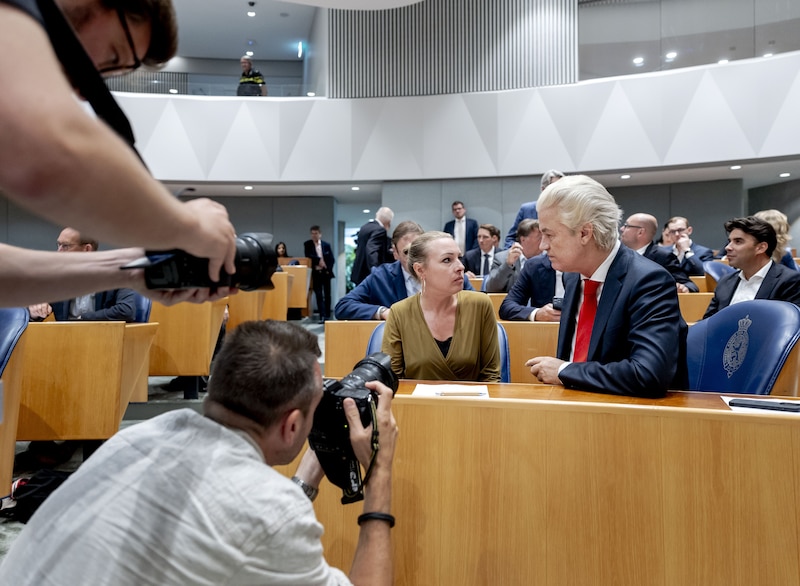
Strategic Pressure from the Left
The situation is further complicated by the tactics of left-wing and progressive opposition parties. While GreenLeft-Labour (GroenLinks-PvdA) and D66 are fundamentally opposed to the criminalization of aid, they are also considering voting against the Reparation Law.
Their goal is not to see aid-givers punished, but rather to maximize pressure on the SGP and CDA. By refusing to help “save” the law, the left hopes to force the religious parties to reject the entire asylum package as a matter of principle. This pincer maneuver leaves the SGP and CDA in a difficult position: support a flawed bill that may now include the criminalization of aid, or collapse the cabinet’s landmark policy.
What Happens Next?
If the Reparation Law fails, the government is left with a legal mess. The original, harsher version of the Asylum Emergency Measures Act would technically stand, but it would lack the support of the very parties needed to pass it through the final Senate vote.
The standoff highlights the fragile nature of the Schoof cabinet, where the four coalition parties (PVV, VVD, NSC, and BBB) must constantly navigate the demands of their own base while courting the Senate’s minority parties.
For Bảo Trân and other observers of Dutch policy, this serves as a reminder that in a multi-party democracy, the “strictest policy ever” is only as strong as the thinnest majority. As the Senate prepares for the final vote in the coming days, the future of Dutch asylum law remains in a state of high-velocity flux.