🚨 WOŁYŃ SPARKS POLITICAL FIRESTORM IN POLAND AFTER UKRAINIAN UNIT NAMING DECISION AND CONTROVERSIAL TUSK COMMENT 🇵🇱⚠️

🚨 WOŁYŃ SPARKS POLITICAL FIRESTORM IN POLAND AFTER UKRAINIAN UNIT NAMING DECISION AND CONTROVERSIAL TUSK COMMENT 🇵🇱⚠️
A fresh wave of political tension has erupted in Poland following the decision to name a Ukrainian special unit after the “Heroes of the UPA,” a move that has triggered outrage among Polish politicians and sections of the public who associate the UPA with the Volhynia massacres during World War II.
The controversy quickly escalated beyond historical debate and entered the heart of current Polish-Ukrainian relations, reopening long-standing wounds tied to memory, identity, and national trauma.
The issue gained further momentum after comments attributed to Donald Tusk, who stated: “Every nation has the right to its own interpretation of history.”
While intended by some observers as a diplomatic reminder of sovereignty over historical narratives, the remark was interpreted by critics as deeply insensitive given Poland’s historical experience in Volhynia.
For many Poles, the Volhynia massacre is not a matter of interpretation but a documented historical tragedy involving the mass killing of Polish civilians.
As a result, the political reaction in Poland was immediate and emotionally charged.
Several public figures sharply criticized both the Ukrainian decision and the broader silence they perceive among European elites regarding contested historical symbolism.
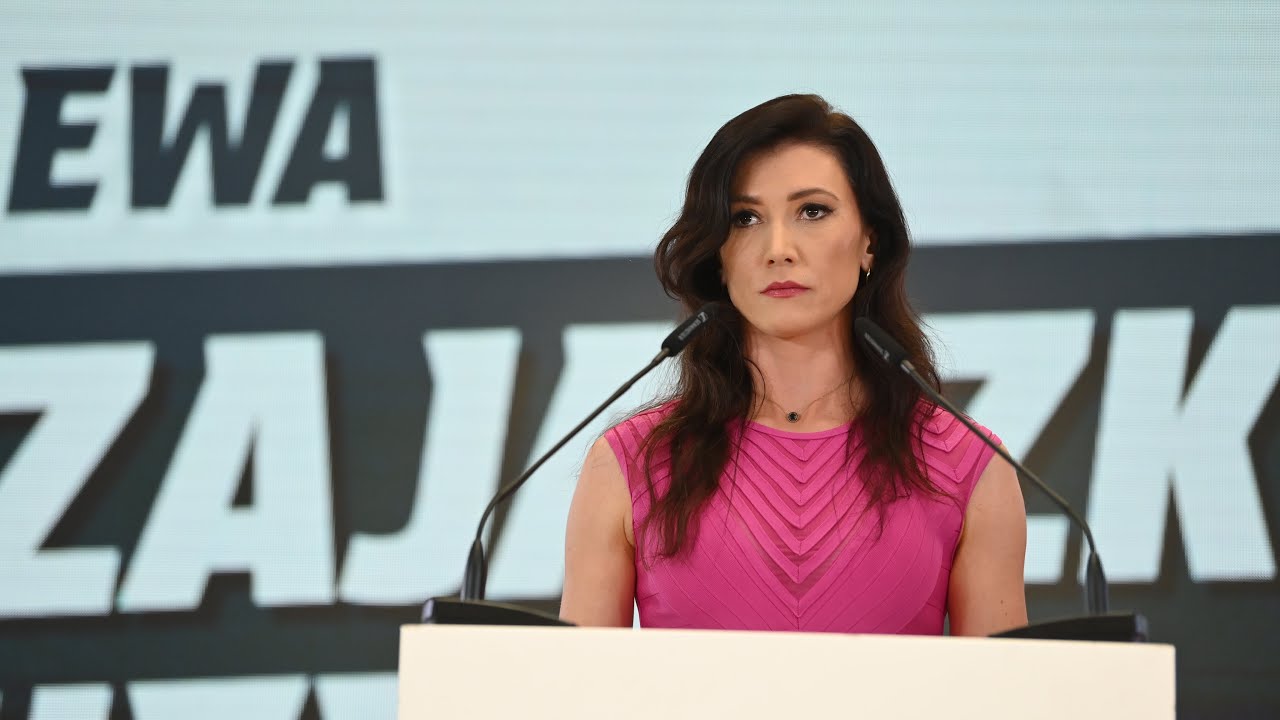
Ewa Zajączkowska commented strongly on the situation, stating:
🗯️ “This is spitting on hundreds of thousands of Polish victims murdered with extreme cruelty.”
🗯️ “No to the cult of Bandera ideology.”
🗯️ “No to Ukraine’s path into the European Union under these conditions.”
Her remarks reflect a growing sentiment within parts of the Polish political spectrum that Ukraine’s historical narrative is increasingly in conflict with Poland’s expectations for reconciliation based on acknowledgment of past atrocities.
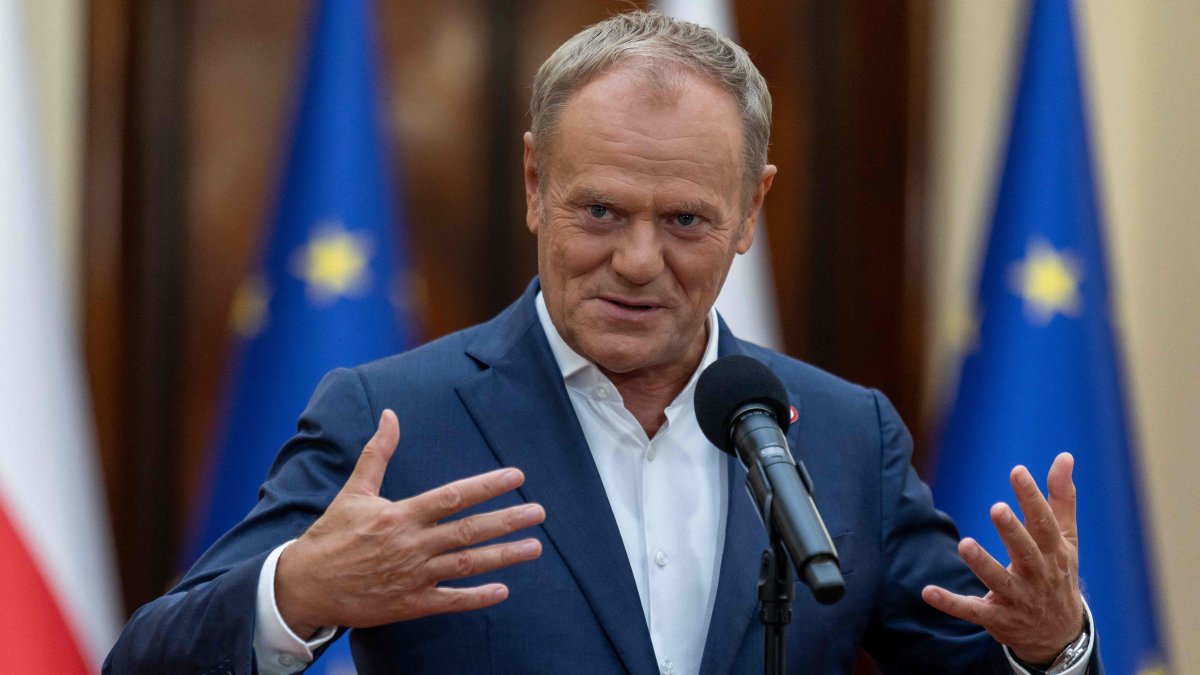
Anna Bryłka also weighed in, emphasizing historical responsibility:
🗯️ “The UPA committed genocide in Volhynia — this is a historical fact that cannot be reinterpreted.”
🗯️ “Ukrainians are treating Poland and Poles as naïve or politically convenient partners.”
These statements further intensified the debate, drawing clear lines between those advocating unconditional support for Ukraine amid ongoing war, and those demanding stronger insistence on historical accountability.
Meanwhile, Tusk’s comment has become the focal point of political controversy.
Critics argue that framing such deeply traumatic historical events as a matter of “interpretation” risks minimizing the suffering of victims and their descendants.
Supporters, however, claim his statement was aimed at preventing escalation and preserving diplomatic stability at a time of regional insecurity.
The clash of perspectives has exposed a broader dilemma within Polish foreign policy: how to balance unwavering support for Ukraine against Russia with unresolved historical grievances that continue to shape public opinion in Poland.
Social media platforms have amplified the dispute, with thousands of posts reigniting discussions about Volhynia, historical memory, and Poland’s role in shaping EU policy toward Ukraine.
Emotional responses dominate the debate, reflecting how deeply the issue remains embedded in Polish national consciousness.
Historians and political analysts warn that such disputes, if not carefully managed, risk damaging long-term Polish-Ukrainian relations.
They emphasize that while historical truth and remembrance are essential, they must be addressed in a way that does not destabilize current strategic alliances.
At the same time, others argue that ignoring or downplaying contested historical symbols creates its own long-term risks, especially in societies where collective memory plays a central role in political identity.
As tensions continue to rise, the controversy surrounding the Ukrainian unit name, combined with Tusk’s remarks and the strong reactions from Polish politicians, has transformed into a wider national debate about history, dignity, and diplomacy.
What began as a symbolic decision abroad has now become a politically explosive issue inside Poland — one that highlights how unresolved history continues to shape the present in unexpected and powerful ways.