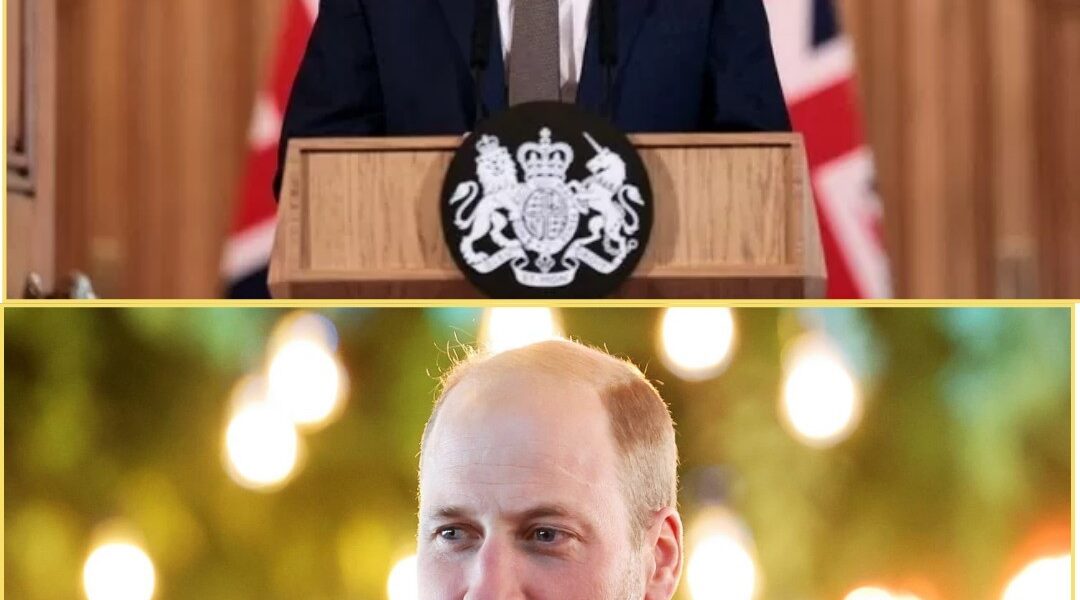

A viral post circulating across social media claims that Prince William has made a forceful political statement criticizing the UK welfare system, taxpayer burdens, and the way public concerns are discussed in mainstream media.
The post alleges that he directly supported the views of Zia Yusuf’s community, questioned welfare funding for non-citizens, and even challenged the leadership of Keir Starmer.
However, there is no verified evidence from reputable outlets or official royal communications confirming that Prince William has made such remarks.
The claims appear to originate from viral, engagement-driven content that blends real public debates with fabricated quotations attributed to high-profile figures.
A viral narrative built for attention
The post follows a familiar pattern seen in modern social media misinformation: a prominent public figure is quoted making a dramatic political declaration, often beginning with emotionally charged phrases like “ENOUGH IS ENOUGH!”
or “truth bomb.” These phrases are designed to trigger engagement rather than reflect verified reporting.
In this case, the alleged statement attributes strong political opinions to Prince William on topics such as welfare policy, taxation, immigration, and media bias.
These are highly sensitive issues in UK politics, making them especially prone to distortion online.
Yet, as of now, no official speech, interview, or press statement from the royal household supports these claims.
The Royal Family traditionally avoids direct involvement in partisan political debates, especially those involving current government leadership.
Why this claim spreads so easily
Stories like this gain traction because they sit at the intersection of three powerful forces: public frustration, political tension, and celebrity influence.
The UK has ongoing debates about welfare spending, immigration policy, and cost-of-living pressures.
In such an environment, fabricated quotes attributed to well-known figures like Prince William can feel believable, especially when they echo sentiments that already exist in public discourse.
Additionally, social media algorithms tend to amplify emotionally charged content.
A headline suggesting that a senior royal has “spoken out” against the government naturally attracts clicks, shares, and heated commentary—even if the underlying content is unverified.
The real-world context behind the themes
While the specific quotes in the viral post are not confirmed, the topics it touches on are very real in British political life.
Welfare spending and public services remain central issues in UK policy discussions.
Governments regularly face scrutiny over how benefits are allocated and funded, and debates about fairness, citizenship, and contribution are long-standing parts of political discourse.
At the same time, media criticism and public trust in politics have become increasingly prominent themes.
Many citizens across the political spectrum express frustration that their concerns are either amplified or dismissed depending on how they are framed.
However, it is important to separate legitimate public debate from fabricated attribution.
There is no credible evidence that Prince William has publicly entered these debates in the way described in the viral post.
The Royal Family and political neutrality
Members of the British royal family, including Prince William, operate under strict conventions of political neutrality.
While they may engage in charitable work, public advocacy on issues like mental health, environmental protection, and community support, they do not typically comment on party politics or government policy.
Direct criticism of a sitting prime minister or specific welfare policies would represent a significant departure from established constitutional norms.
That is one reason why such viral claims are highly suspect unless confirmed by trusted news organizations.
The role of misinformation in modern politics
This incident highlights a broader issue: the increasing speed at which misinformation spreads online.
In today’s digital environment, fabricated quotes can appear within hours and reach millions before they are fact-checked.
The structure of these posts is often deliberately designed to avoid easy verification.
They may use vague phrasing like “sources say” or “reports claim,” or they may present entirely invented quotes without any citation.
Once shared widely, such content can shape public perception even after it is debunked, contributing to confusion about what public figures have actually said.
What can be verified
At present:
- There is no verified statement from Prince William matching the viral quote.
- No reputable UK or international news organization has reported such comments.
- The themes described align with ongoing political debates, but the attribution does not.
Politics
This means the story should be treated as unverified and likely fabricated content, not confirmed reporting.

Conclusion
The viral claim that Prince William delivered a sweeping political “truth bomb” on welfare policy and government leadership is not supported by credible evidence.
While it reflects real tensions in public debate—particularly around welfare and political trust—it appears to be another example of how easily fabricated statements can circulate online when attached to high-profile names.
In an era where information spreads instantly, the distinction between real statements and viral fiction is increasingly important.
Careful verification remains essential before accepting emotionally charged political claims attributed to public figures.